Case summary
The computer detected a connection, but the flash drive would not mount.
The 32GB PNY monolith USB drive produced the normal connection sound, yet Windows could not access its contents. The failure was traced to controller firmware corruption rather than a simple deleted-file or file-system problem.
Reviewed by Michael Avraham, Lead Data Recovery Specialist at OmniDataPlus.
Device
32GB PNY monolith USB flash drive.
Failure
SM controller firmware corruption prevented normal access.
Main challenge
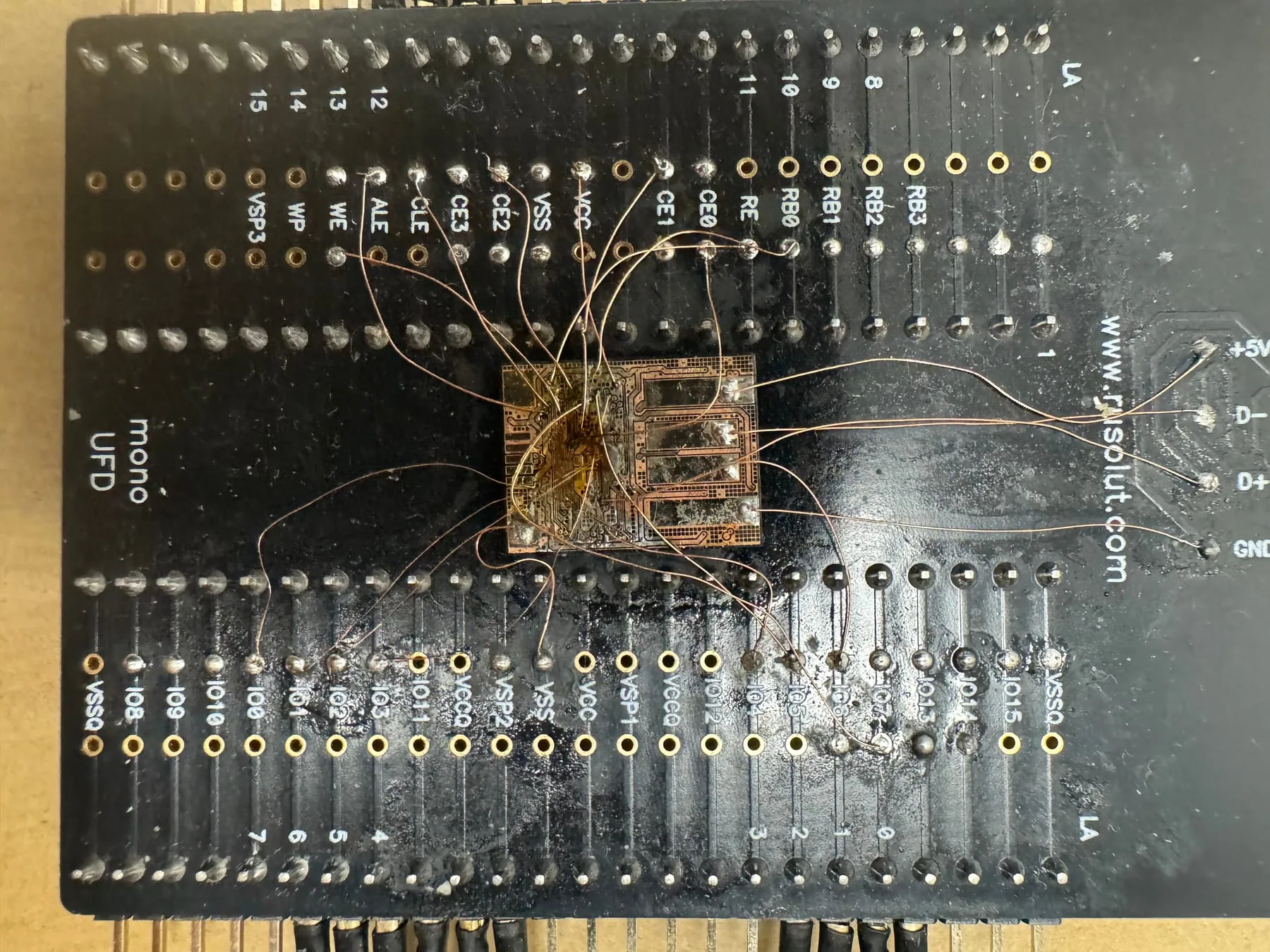
The monolith design concealed the NAND access points inside one compact package.
Recovery path
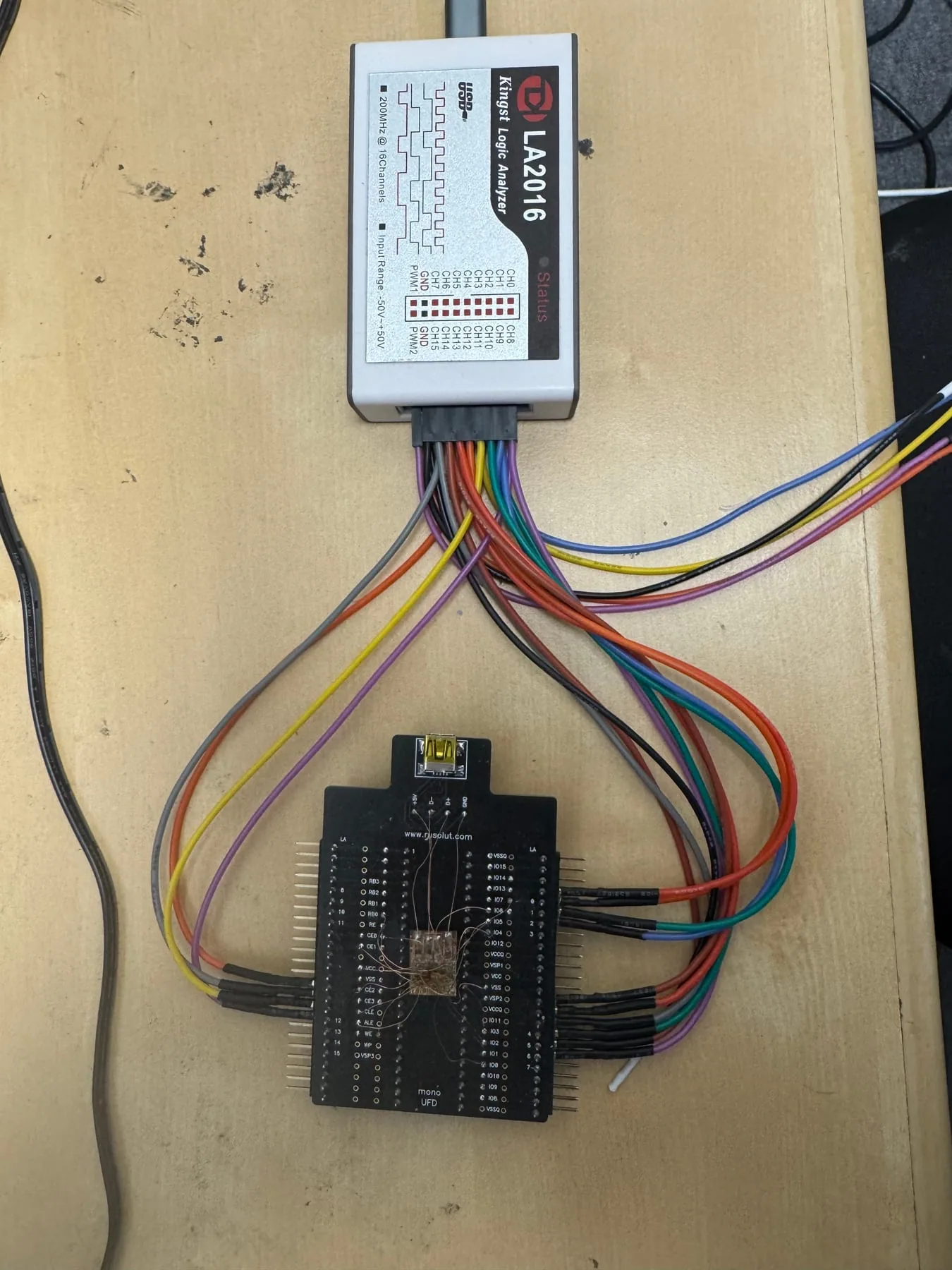
Pinout tracing, direct NAND access, and controller reconstruction.
What made it difficult
A powered USB drive is not necessarily a readable USB drive.
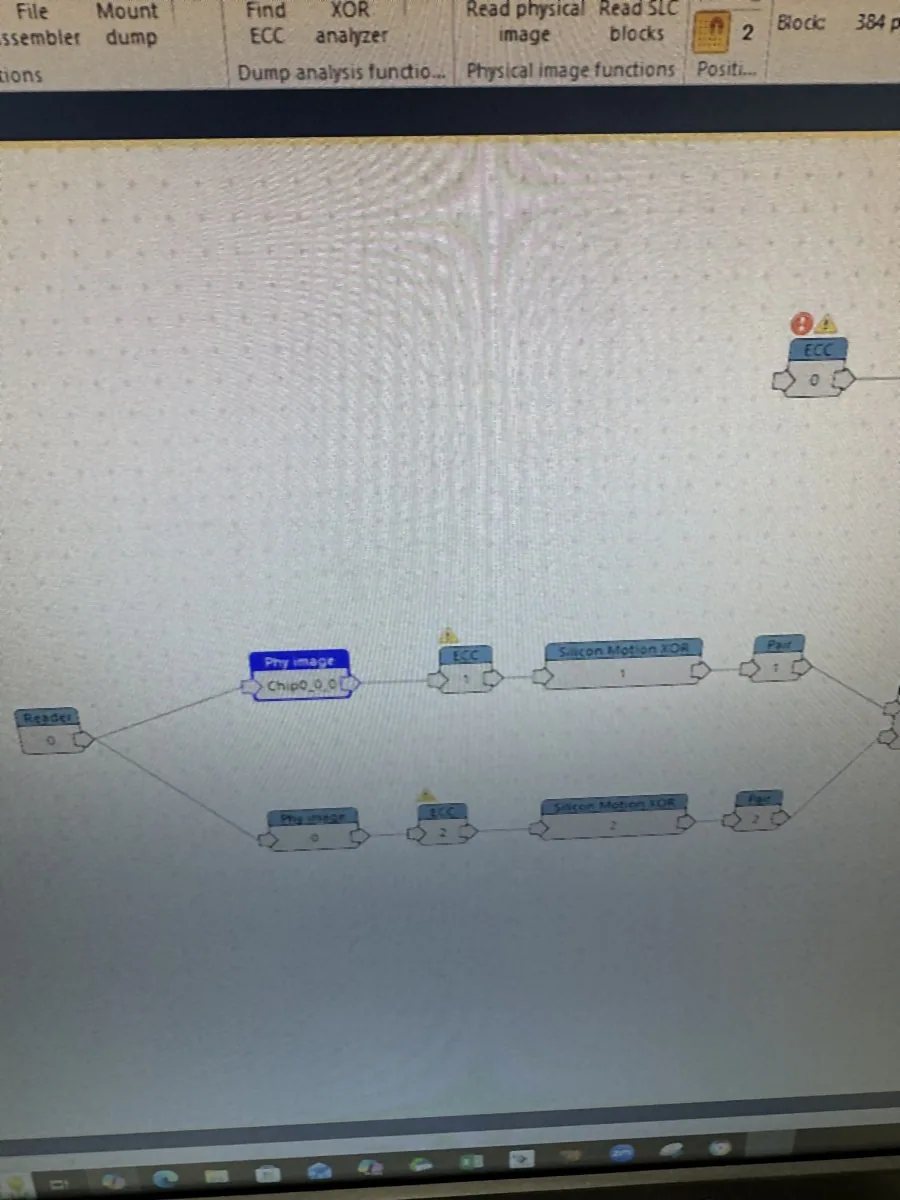
Software could not communicate with the data through the failed controller. The recovery path required identifying the monolith pinout, reading the NAND directly, and reconstructing how the controller had organized the raw memory.
Outcome
Direct NAND recovery restored access to the files.
The recovered data was reconstructed and verified before being returned on separate media.
Lab photos
Flash recovery work from the case process.